


Sparx Systems Enterprise Architect
Understanding Structural Modeling in UML
Structural modeling in Unified Modeling Language (UML) defines the static architecture of a software system. It explains what the system is made of-its building blocks, relationships, and modular structure-before behavioral logic is introduced.
While UML includes multiple structural diagram types, two diagrams form the architectural backbone of disciplined software modeling:
- Class Diagrams – defining logical structure
- Component Diagrams – defining modular architecture
Implemented through Sparx Enterprise Architect, these diagrams establish clarity, governance, and long-term maintainability across enterprise systems.
UML Structural Framework Support in Sparx Enterprise Architect
Sparx Enterprise Architect provides comprehensive support for UML structural modeling with:
- Dedicated UML toolboxes and diagram templates
- Centralized repository-based modeling
- Built-in traceability between structure and requirements
- Relationship Matrix and impact analysis capabilities
- Collaboration through Prolaborate dashboards
This structured modeling environment ensures that architectural definitions remain consistent, reusable, and governed across teams.
Overview of UML Structural Diagram Categories
UML structural diagrams include:
- Class Diagrams
- Component Diagrams
- Package Diagrams
- Deployment Diagrams
- Object Diagrams
- Composite Structure Diagrams
- Profile Diagrams
Each serves a purpose in representing system structure. However, Class and Component diagrams remain the foundation, as they define the logical and modular architecture upon which other structural views depend.
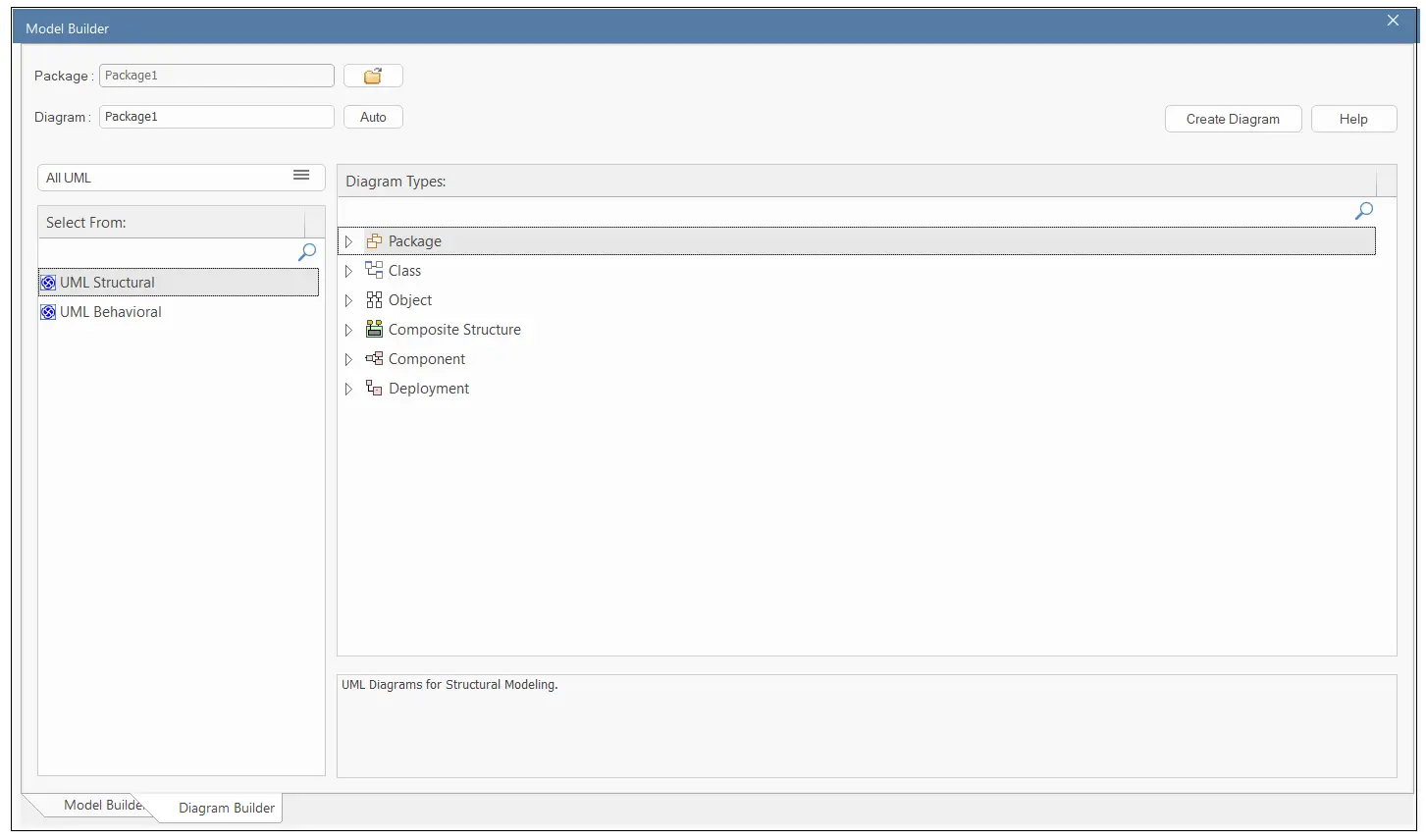
Figure 1: Overview of UML Structural Diagram
Class Diagrams: The Logical Architecture Foundation
Class Diagrams represent the internal logical design of the system. They define:
- Classes and domain entities
- Attributes and operations
- Relationships such as association, inheritance, aggregation, and composition
In Sparx Enterprise Architect, Class Diagrams enable:
- Clear domain modeling
- Object-oriented design discipline
- Strong alignment between requirements and system structure
- Impact analysis through relationship tracing
A well-designed Class Diagram ensures clarity of responsibility, reduces ambiguity during development, and strengthens architectural consistency.
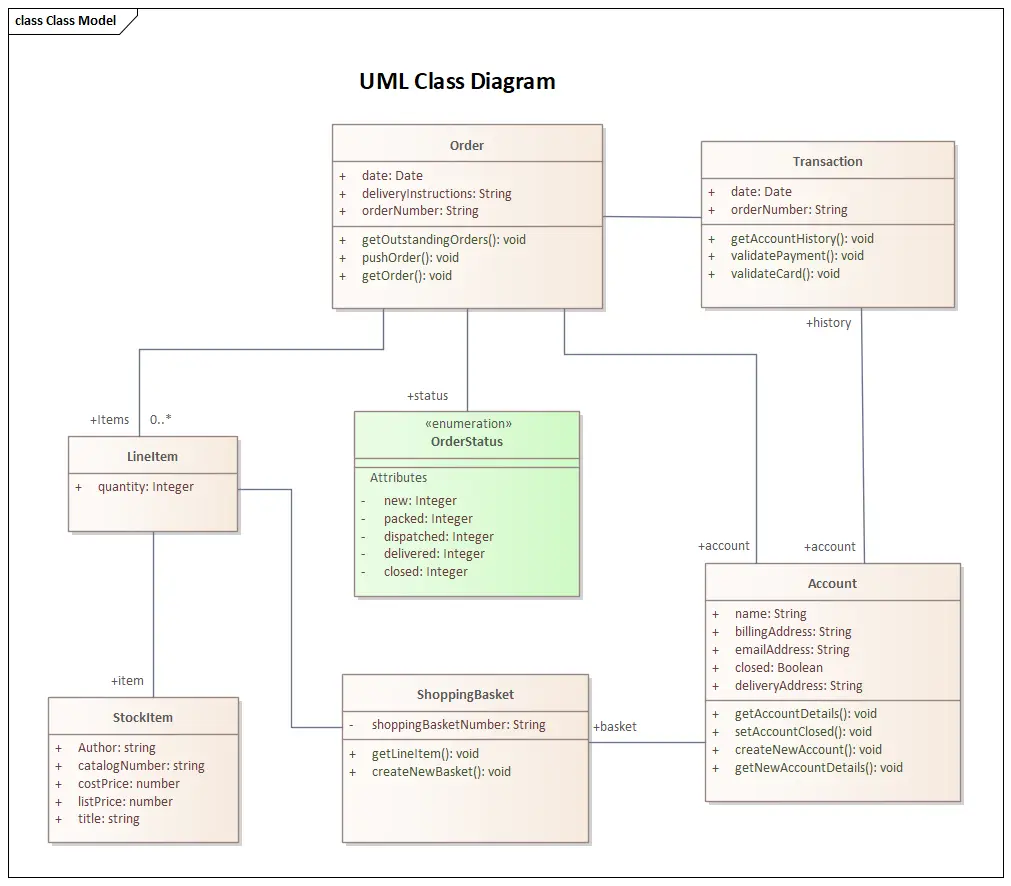
Figure 2: Class Diagram in Sparx EA
Component Diagrams: The Modular System Architecture
Component Diagrams define how the system is assembled into deployable and manageable modules. They represent:
- Software components and subsystems
- Provided and required interfaces
- Service contracts
- Dependencies across architectural layers
Within Sparx Enterprise Architect, Component Diagrams support:
- Modular and service-oriented design
- Microservices architecture modeling
- Clear separation of concerns
- Scalable enterprise system structuring
Component modeling ensures that logical design transitions effectively into real-world implementation.
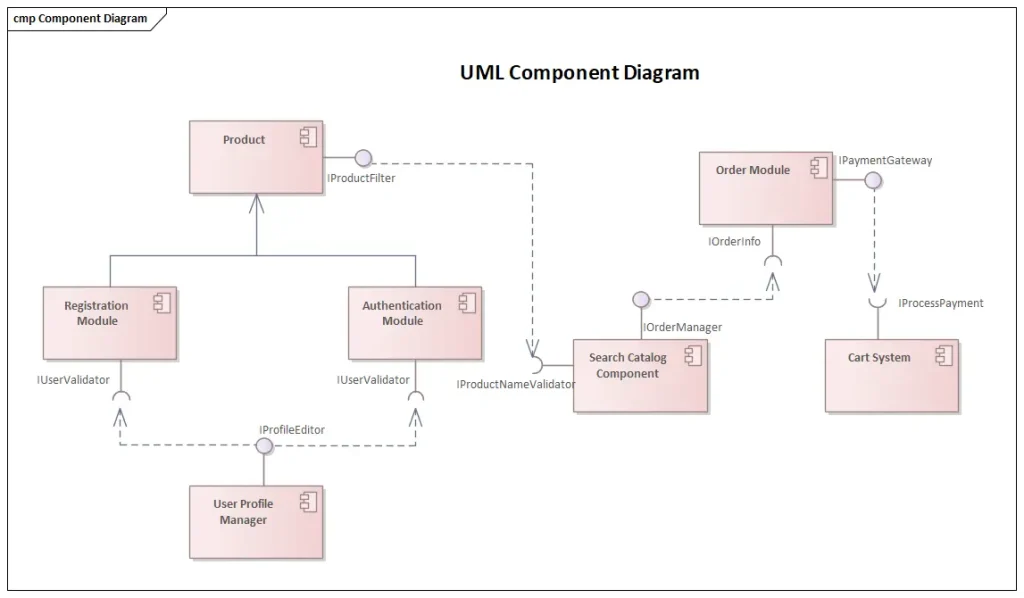
Figure 3: Component Diagram in Sparx EA
Why Class and Component Diagrams Form the Core of Structural Modeling
Structural modeling becomes effective when it provides clarity at two levels:
- Logical system definition (Class Diagrams)
- Modular architecture realization (Component Diagrams)
Other structural diagrams support organization or infrastructure mapping. However, without strong Class and Component models, architectural integrity weakens over time.
Together, these two diagrams ensure scalable, maintainable, and governed software systems.
Benefits of UML Structural Modeling in Sparx Enterprise Architect
Implementing structural modeling through Class and Component diagrams delivers:
- Clear architectural visibility
- Improved modularity and reuse
- Strong traceability from requirements to structure
- Easier change impact analysis
- Reduced technical debt
- Long-term architectural governance
Structural models become the stable blueprint that guides disciplined software engineering.
Accelerate Structural Modeling with Sparx Systems India
Sparx Systems India supports organizations in implementing UML structural modeling using Sparx Enterprise Architect through:
- UML structural framework setup and repository configuration
- Architecture governance and modeling best-practice consulting
- Hands-on UML training for architects and development teams
- Prolaborate demos for collaborative model visualization
To explore how Structural modeling in Sparx Enterprise Architect can strengthen your software architecture foundation and enable scalable, traceable system design, write to us at sales@sparxsystems.in, or contact us to get started.