Uncategorized
Enterprises operate through tightly connected layers of strategy, business operations, applications, data, and technology. As organizations evolve through digital transformation, modernization, and continuous change, understanding how these layers interact becomes essential. ArchiMate provides a standardized modeling language to represent these relationships clearly and consistently. Using ArchiMate in Sparx Systems Enterprise Architect, organizations can model Enterprise Architecture layers in a structured, traceable, and governed manner.
By capturing architecture layers within a unified repository, Enterprise Architect enables teams to move beyond isolated diagrams and establish a shared architectural understanding across the enterprise.
Why Model Enterprise Architecture with ArchiMate?
Enterprise Architecture spans multiple viewpoints and stakeholders. Business leaders focus on outcomes and capabilities, while technology teams manage systems and infrastructure. Without a common language, alignment becomes difficult. ArchiMate addresses this challenge by offering a consistent set of concepts and relationships across all architecture layers.
Modeling Enterprise Architecture with ArchiMate enables organizations to:
- Establish a shared architecture language across business and IT
- Visualize dependencies from strategy through technology
- Perform impact and risk analysis with confidence
- Support transformation and roadmap planning
- Improve architecture governance and communication
As a result, architecture becomes a practical decision-support tool rather than static documentation.
Strategy and Motivation Layer
The Strategy and Motivation Layer define enterprise direction and intent. It captures why the organization exists, what it aims to achieve, and how value is created. In Sparx Enterprise Architect, this layer typically includes goals, outcomes, drivers, capabilities, and value streams.
By modeling this layer with ArchiMate, organizations can:
- Trace initiatives back to strategic objectives
- Align capabilities with business outcomes
- Maintain clarity as strategies evolve
This layer ensures that all architectural decisions remain purpose-driven.
Application Architecture Layer
The Application Architecture Layer explains how software systems support business processes and services. It includes application components, application services, and interactions between systems.
With Enterprise Architect, organizations can:
- Map applications to business capabilities and processes
- Identify overlaps, redundancies, and integration dependencies
- Analyze the impact of application change
- Support application portfolio rationalization and modernization
This layered visibility enables informed planning and investment decisions.
Data Architecture Layer
The Data Architecture Layer defines how enterprise information is structured, shared, and governed. It ensures that data supports both operational execution and analytical needs.
Enterprise Architect supports this layer through:
- Conceptual, logical, and physical data modeling
- Relationships between data entities and business processes
- Traceability between data, applications, and reporting
- Governance of data standards and definitions
As a result, organizations improve data consistency, quality, and trust.
Technology Architecture Layer
The Technology Architecture Layer represents the infrastructure that enables applications and data. It includes platforms, environments, system software, and technical services.
Using ArchiMate in Enterprise Architect, teams can:
- Model infrastructure platforms and environments
- Relate technology components to applications and services
- Assess lifecycle status and technical risk
- Plan infrastructure upgrades and modernization
This layer ensures that technology decisions remain aligned with business and application needs.
Governance and Implementation Layer
The Governance and Implementation Layer connects architecture design to execution. It includes initiatives, work packages, roadmaps, and transition states that guide architectural change over time.
By modeling governance explicitly, organizations can:
- Maintain visibility of approved initiatives
- Compare current and target architectures
- Control architectural evolution without slowing delivery
- Support architecture reviews and compliance processes
Governance becomes structured, transparent, and supportive of change.
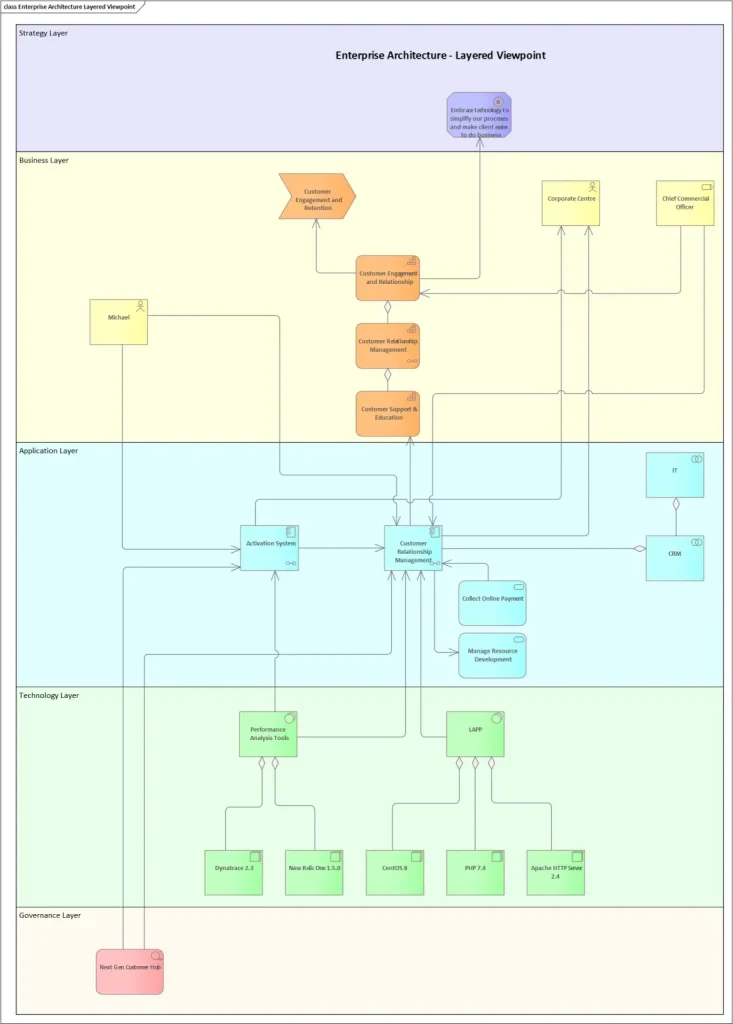
Figure 1: Enterprise Architecture Layered View
Traceability Across Enterprise Architecture Layers
One of the strongest advantages of using ArchiMate in Sparx Systems Enterprise Architect is end-to-end traceability. Architectural elements across layers can be directly related, enabling clear impact analysis and informed decision-making.
This allows organizations to:
- Understand the downstream impact of strategic changes
- Support executive decision-making with evidence
- Maintain architectural consistency across teams
- Reduce risk during transformation initiatives
Architecture evolves into a living, decision-ready asset.
Conclusion
Enterprise Architecture Layers modeled using ArchiMate in Sparx Systems Enterprise Architect provide a structured, standardized, and traceable view of the enterprise. By representing strategy, business, application, data, technology, and governance layers within a unified repository, organizations gain clarity, alignment, and control across complex environments. As enterprises navigate continuous change, ArchiMate-based modeling in Enterprise Architect delivers the foundation needed to design, govern, and evolve architecture with confidence.
Get Started Today!
Begin modeling Enterprise Architecture layers with ArchiMate in Sparx Systems Enterprise Architect and establish a clear, traceable view from strategy through technology. Connect with our experts at sales@sparxsystems.in or Contact Us for support with licensing, consulting, training, Prolaborate demonstrations, and premium support—helping your organisation design, govern, and evolve its Enterprise Architecture with confidence and control.